
Bicycle Information Guide

27.5 Wheel or 29 Wheel? Mountain Bike Comparison
Read moreabout 27.5 Wheel or 29 Wheel? Mountain Bike Comparison

What Should Bicycle Tire Pressure Be? PSI and Bar Guide
Read moreabout What Should Bicycle Tire Pressure Be? PSI and Bar Guide

Are Bicycles Tubeless Compatible? Rim and Tire Guide
Read moreabout Are Bicycles Tubeless Compatible? Rim and Tire Guide

Bisiklet Kadro Boyu Hesaplama ve Boy Tablosu | Uğur Bisiklet
Read moreabout Bisiklet Kadro Boyu Hesaplama ve Boy Tablosu | Uğur Bisiklet
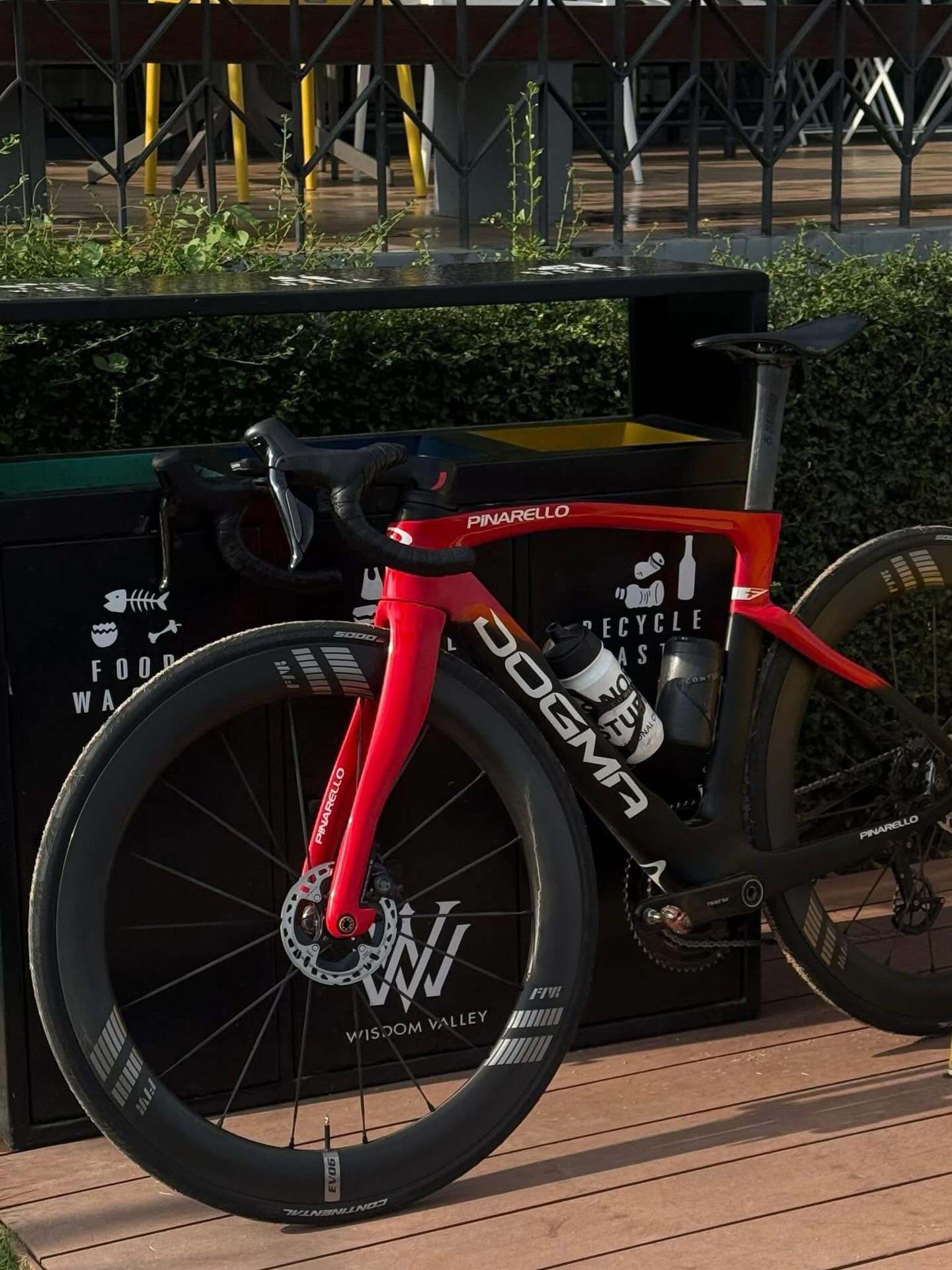
Farsports Karbon Jant Setleri Alınır mı? Detaylı İnceleme ve Garanti Süreçleri
Read moreabout Farsports Karbon Jant Setleri Alınır mı? Detaylı İnceleme ve Garanti Süreçleri
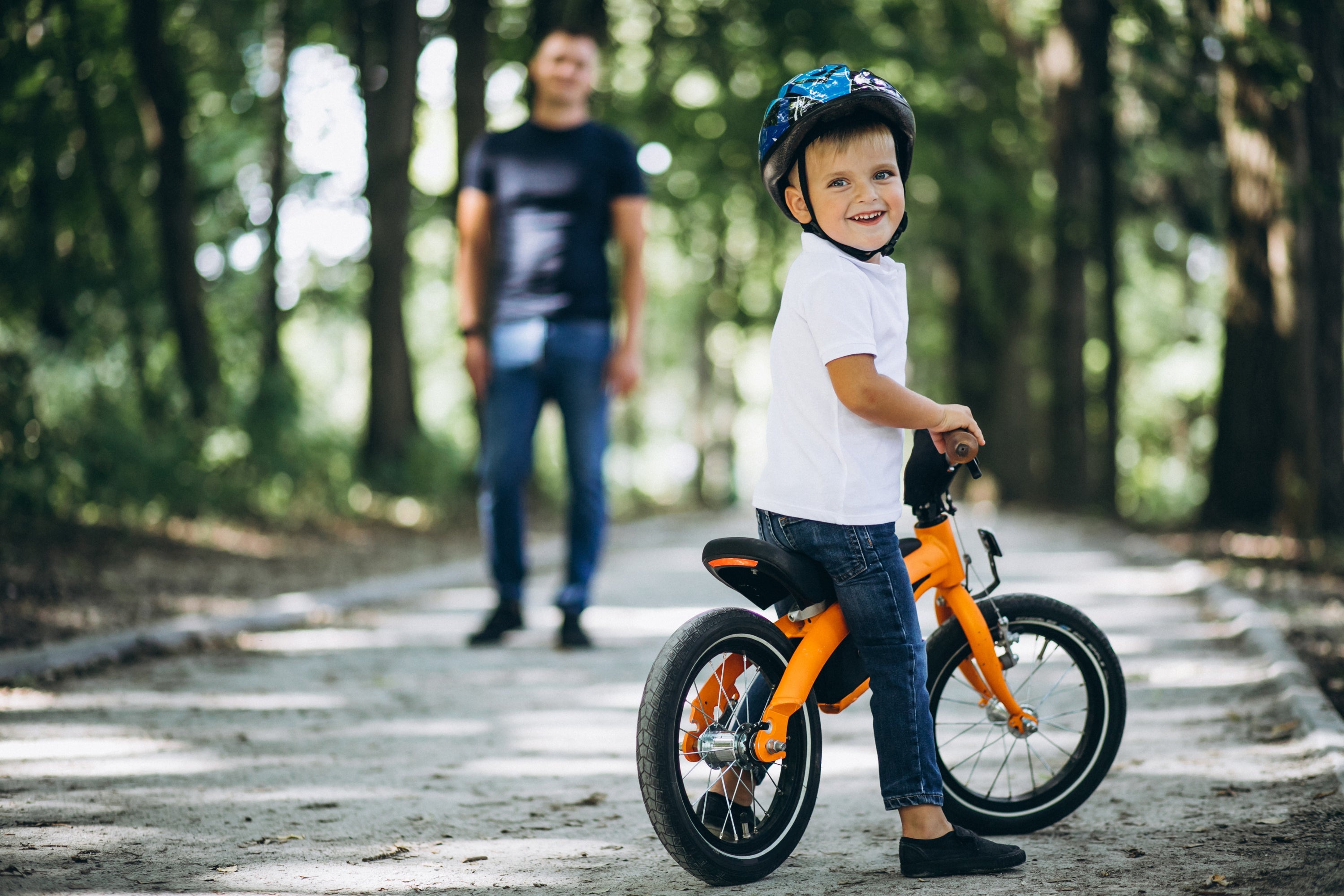
5 Easy Ways to Teach Kids to Ride a Bike: A Parent's Guide
Read moreabout 5 Easy Ways to Teach Kids to Ride a Bike: A Parent's Guide
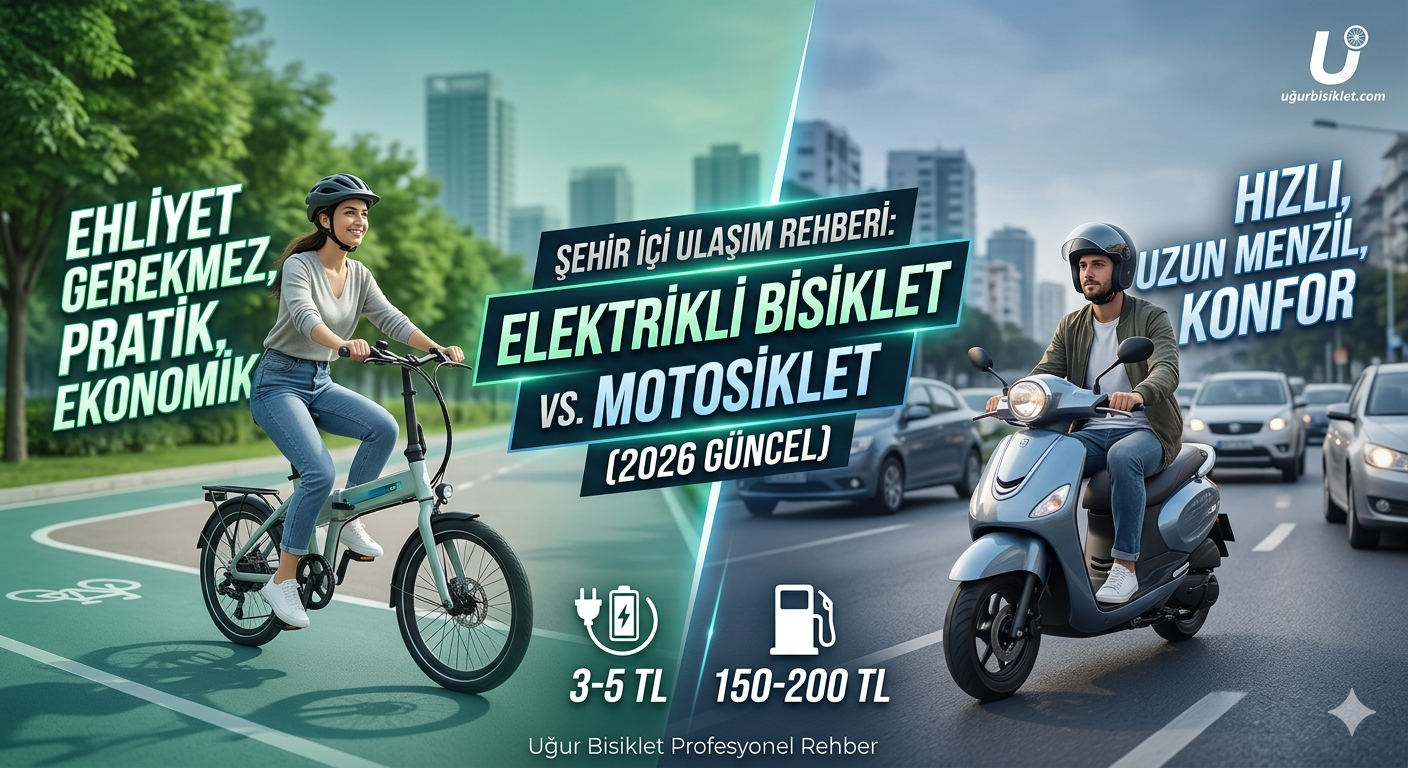
City Transportation Guide: Electric Bike or Motorcycle? (Updated 2026)
Read moreabout City Transportation Guide: Electric Bike or Motorcycle? (Updated 2026)
Things to Consider When Getting Your Bicycle Serviced in Antalya: Sea, Humidity, and Performance.
Urban Freeride in Antalya: The Steepest Stair Descent Routes
Read moreabout Urban Freeride in Antalya: The Steepest Stair Descent Routes
Frequently Asked Questions
1. What should I pay attention to when buying a bicycle?
When buying a bicycle, you should consider your purpose of use, frame size, gear system, and suspension type. City bikes are preferred for urban use, road bikes for long distances, and MTB (mountain bikes) for rough terrains.
2. How to choose the correct frame size?
Frame size depends on your leg length and height. Generally, the following method is used:
- For MTB: Multiply your inseam length by 0.21.
- For road bikes: Multiply your inseam length by 0.665.
- For city/touring bikes: Multiply your inseam length by 0.66.
3. Which bicycle gear system is better?
Shimano and SRAM are the most popular gear systems. Shimano Deore and SLX are ideal for mid-level MTB. SRAM GX or Shimano Ultegra are recommended for road bikes. For higher-budget professional use, Shimano XTR or SRAM XX1 can be preferred.
4. What should the bicycle tire pressure be?
Tire pressure varies depending on the type of bicycle:
- Road bike: 80-130 PSI
- City bike: 50-70 PSI
- MTB: 30-50 PSI (Varies by terrain)
Lower pressure provides better road grip but requires more effort. Higher pressure allows faster riding with less friction but reduces comfort.
5. Should I choose disc brakes or V-brakes?
Disc brakes provide stronger braking, especially effective in rainy conditions.
V-brakes are lighter and easier to maintain. They are sufficient for city use.
6. How often should a bicycle chain be cleaned?
It is recommended to clean and lubricate your chain every 200-300 km. If you have used it in muddy or rainy conditions, you should perform maintenance more frequently.
7. Which type of tire should I use on my bicycle?
Slick tires: Ideal for road bikes and urban use.
Knobby tires: Suitable for MTB and off-road conditions.
Hybrid tires: Suitable for both city riding and light off-road conditions.
8. Which is better, a carbon frame or an aluminum frame?
Aluminum frame: It is durable, budget-friendly, and common in entry-level bicycles.
Carbon frame: Preferred in professional road and MTB bikes because it is lighter and absorbs vibrations.
9. What equipment is necessary when cycling?
Helmet (Mandatory for safety!)
Gloves (For better grip and comfort)
Glasses (for protection from sun and dust)
Lights and reflectors (Increase visibility during night rides)
Locking system (Keeps your bicycle secure)
10. What clothes should I prefer when cycling?
Wear breathable, moisture-wicking clothes on long rides.
In winter, wear thermal clothes and a windbreaker jacket.
In summer, you can choose sun-protective jerseys and shorts.

