
Bicycle Information Guide
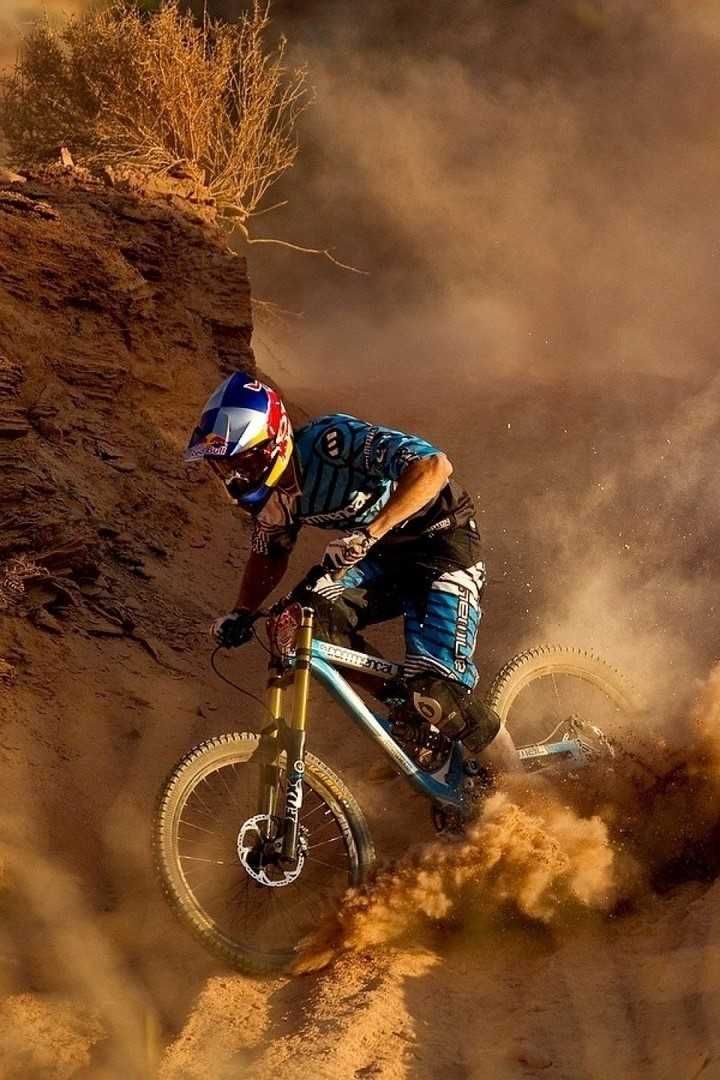
Adrenaline in the Heart of the Taurus Mountains: Antalya's Best Enduro Bike Routes
Read moreabout Adrenaline in the Heart of the Taurus Mountains: Antalya's Best Enduro Bike Routes
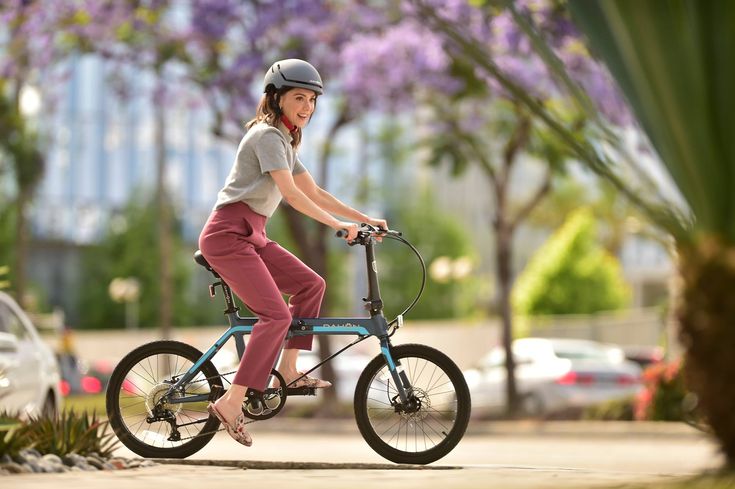
The Key to Urban Transportation: Why Choose a Dahon Folding Bike?
Read moreabout The Key to Urban Transportation: Why Choose a Dahon Folding Bike?
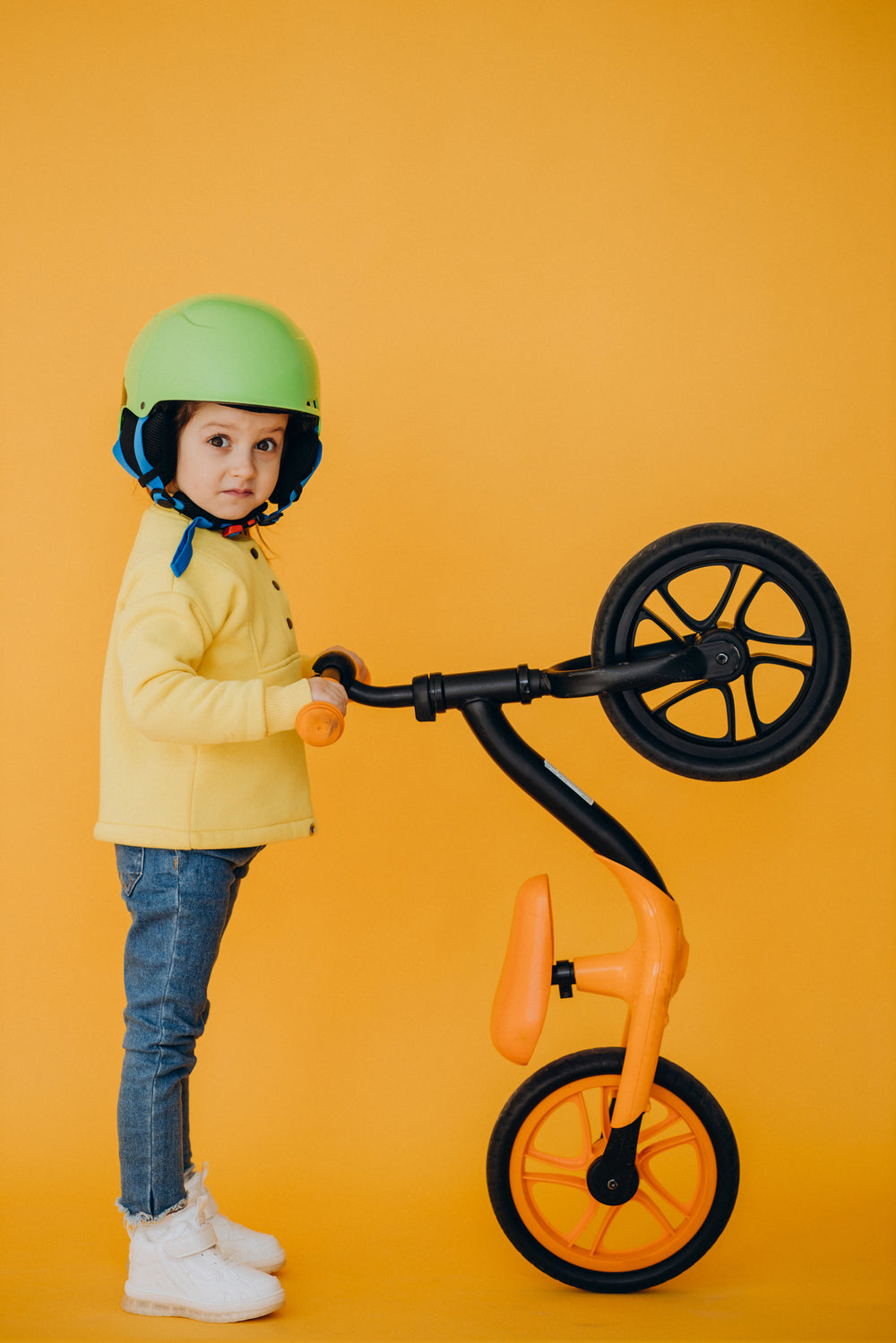
Kids' Bicycle Buying Guide: Wheel Selection According to Age and Height
Read moreabout Kids' Bicycle Buying Guide: Wheel Selection According to Age and Height
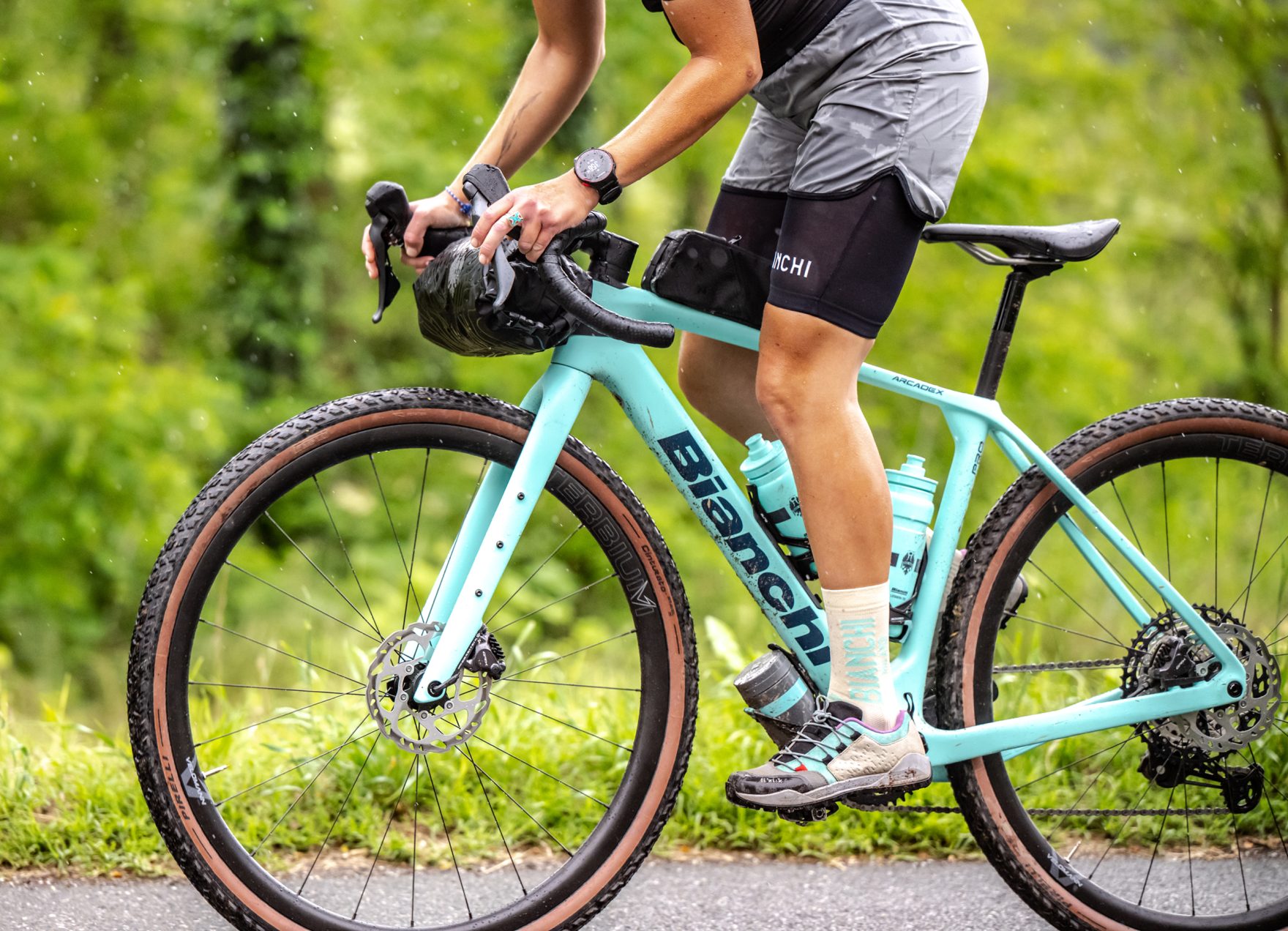
What is a Gravel Bike? The New Favorite for Those Debating Road or Mountain Bike?
Read moreabout What is a Gravel Bike? The New Favorite for Those Debating Road or Mountain Bike?
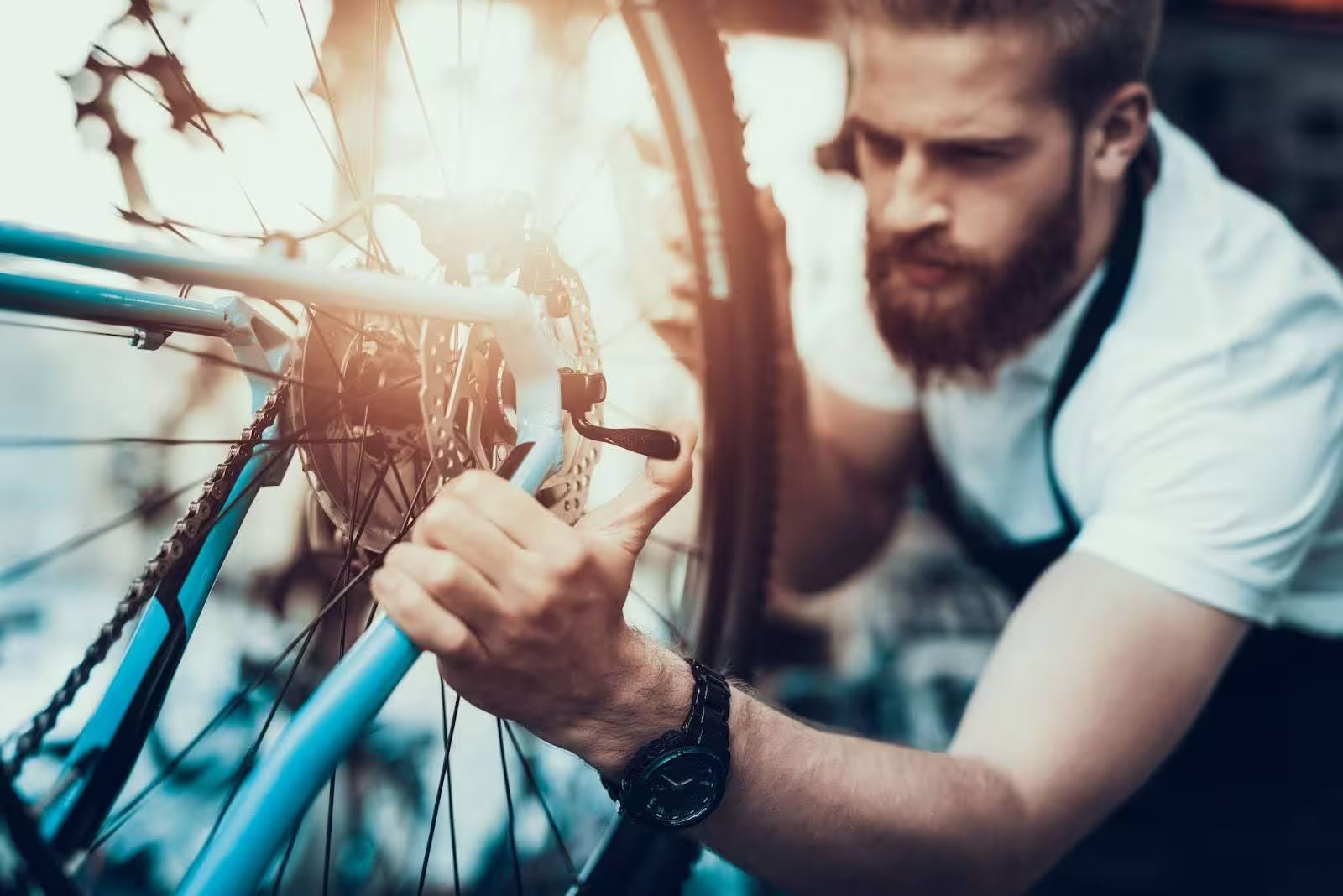
Spring is just around the corner! 7 Golden Rules for Preparing Your Bike for the New Season.

Why Lens Color Matters When Choosing Cycling Glasses? Oakley Prizm™ Technology
Read moreabout Why Lens Color Matters When Choosing Cycling Glasses? Oakley Prizm™ Technology

Garmin Cycling Computer Selection Guide: Edge 540, 840, and 1050 Comparison
Read moreabout Garmin Cycling Computer Selection Guide: Edge 540, 840, and 1050 Comparison

Top 5 Cycling Routes in Antalya: From the Coastal Road to the Taurus Mountains
Read moreabout Top 5 Cycling Routes in Antalya: From the Coastal Road to the Taurus Mountains

Antalya Bicycle Service Guide: Continue Your Journey Safely with Uğur Bicycles
Read moreabout Antalya Bicycle Service Guide: Continue Your Journey Safely with Uğur Bicycles
Sıkça Sorulan Sorular
1. Bisiklet satın alırken nelere dikkat etmeliyim?
Bisiklet alırken kullanım amacınızı, kadro boyunu, vites sistemini ve süspansiyon türünü göz önünde bulundurmalısınız. Şehir içi kullanım için şehir bisikletleri, uzun mesafeler için yol bisikletleri, zorlu araziler için MTB (dağ bisikletleri) tercih edilmelidir.
2. Doğru kadro boyu nasıl seçilir?
Kadro boyu, bacak uzunluğunuza ve boyunuza bağlıdır. Genellikle şu yöntem kullanılır:
- MTB için: İç bacak boyunuzu 0.21 ile çarpın.
- Yol bisikleti için: İç bacak boyunuzu 0.665 ile çarpın.
- Şehir/tur bisikleti için: İç bacak boyunuzu 0.66 ile çarpın.
3. Hangi bisiklet vites sistemi daha iyi?
Shimano ve SRAM en popüler vites sistemleridir. Shimano Deore ve SLX, orta seviye MTB için idealdir. SRAM GX veya Shimano Ultegra, yol bisikletleri için önerilir. Daha yüksek bütçeli profesyonel kullanım için Shimano XTR veya SRAM XX1 tercih edilebilir.
4. Bisiklet lastik basıncı kaç olmalıdır?
Lastik basıncı, bisiklet türüne göre değişir:
- Yol bisikleti: 80-130 PSI
- Şehir bisikleti: 50-70 PSI
- MTB: 30-50 PSI (Araziye göre değişir)
Düşük basınç, daha iyi yol tutuşu sağlar ama daha fazla efor gerektirir. Yüksek basınç, daha az sürtünme ile hızlı sürüş sağlar ama konforu azaltır.
5. Disk fren mi V-fren mi tercih edilmeli?
Disk frenler daha güçlü frenleme sağlar, özellikle yağmurlu havalarda daha etkilidir.
V-frenler ise daha hafif ve bakımı daha kolaydır. Şehir içi kullanım için yeterlidir.
6. Bisiklet zinciri ne sıklıkla temizlenmeli?
Zincirinizi her 200-300 km'de bir temizleyip yağlamanız önerilir. Çamurlu veya yağışlı havada kullandıysanız daha sık bakım yapmalısınız.
7. Bisikletimde hangi lastik türünü kullanmalıyım?
Pürüzsüz (slick) lastikler: Yol bisikletleri ve şehir içi kullanım için idealdir.
Dişli lastikler: MTB ve arazi şartları için uygundur.
Hibrit lastikler: Hem şehir içinde hem hafif arazi şartlarında kullanılabilir.
8. Karbon kadro mu, alüminyum kadro mu daha iyi?
Alüminyum kadro: Dayanıklıdır, bütçe dostudur ve başlangıç seviyesi bisikletlerde yaygındır.
Karbon kadro: Daha hafif ve titreşim emici olduğu için profesyonel yol ve MTB bisikletlerinde tercih edilir.
9. Bisiklet sürerken hangi ekipmanlar gerekli?
Kask (Güvenlik için zorunlu!)
Eldiven (Daha iyi tutuş ve konfor için)
Gözlük (Güneş ve tozdan korunmak için)
Işık ve reflektörler (Gece sürüşlerinde görünürlüğü artırır)
Kilitleme sistemi (Bisikletinizi güvende tutar)
10. Bisiklet sürerken hangi kıyafetleri tercih etmeliyim?
Uzun sürüşlerde terletmeyen, nefes alabilen kıyafetler kullanın.
Kışın termal kıyafetler ve rüzgar kesici mont giyin.
Yazın güneş korumalı formalar ve şortlar tercih edebilirsiniz.

